After your first SOC 2: what to do next when you don't have a security team

Passed SOC 2 but have no security team? Learn how to keep controls running, answer questionnaires fast, manage security tooling, and prepare for your second audit.

Here’s what nobody told you about SOC 2: passing the audit doesn’t mean you’re secure. It means you proved you could implement controls at a point in time. What happens next determines whether you actually stay secure or just have a PDF to show prospects.

If you’re the CTO or technical founder who owns security by default, the work just changed shape. You’re now responsible for keeping controls running, answering the security questionnaires that start rolling in, and making sure your tooling doesn’t create more work than it prevents—all while shipping product.

This is how to handle it without letting security consume your roadmap.

The four things to focus on after your first SOC 2: assign a named person to run controls on a schedule, build a reusable response library for security questionnaires, consolidate security tooling output into your existing workflow, and log evidence continuously so your second audit is painless.

How to keep security controls running post-audit

The controls you stood up for the audit need to survive normal operations. That quarterly access review you documented? Someone has to actually run it. Those vulnerability scans in your CI pipeline? Someone has to triage the output.

A few things that help:

  • Assign a name, not a team. “Engineering owns access reviews” means nobody does them. Pick a person. Put it on their calendar. If you’re a CTO at a 15-person company, it’s probably you.
  • Timebox security work. Block two hours every Friday, or one day a sprint. When security has a predictable slot, it stops bleeding into everything else. When it doesn’t, it either gets ignored or hijacks the week.
  • Batch findings, escalate incidents. A new CVE in a transitive dependency can wait for Friday’s triage. An alert from GuardDuty showing unusual API calls from an unknown IP cannot. Know the difference.

The goal isn’t zero findings. It’s a system where findings get triaged on a schedule, real incidents get immediate attention, and everything’s documented so you’re not reconstructing it later.

How to answer security questionnaires without losing a week

Once you have SOC 2, the questionnaires start. Every enterprise prospect has one. They’re 150-300 questions, they all ask the same things slightly differently, and they’re blocking the deal.

You’re probably the one filling these out. Here’s how to not lose a week every time:

  • Build a response library. After your second questionnaire, you’ll notice 80% overlap. Create a doc with your canonical answers: How do you handle encryption at rest? (AES-256, managed keys in AWS KMS.) What’s your incident response process? (Link to your IR runbook.) How do you manage offboarding? (Automated deprovisioning via Okta + quarterly access review.) Next questionnaire, you’re copying and pasting instead of writing from scratch.
  • Keep evidence exportable. Architecture diagrams generated from your Terraform. SBOMs from your CI pipeline. Pen test summary from your last assessment. SOC 2 report PDF. Put these in a folder sales can access. When a prospect asks for your network diagram, the answer is a link, not a Slack thread.
  • Know what needs legal review. Questions about liability, data processing agreements, or indemnification go to legal. Questions about your deployment process don’t. Sort this out before the first questionnaire so you’re not guessing.

Your SOC 2 report answers maybe 30% of a typical questionnaire. The response library and evidence folder handle the rest.

How to manage security tooling without drowning in noise

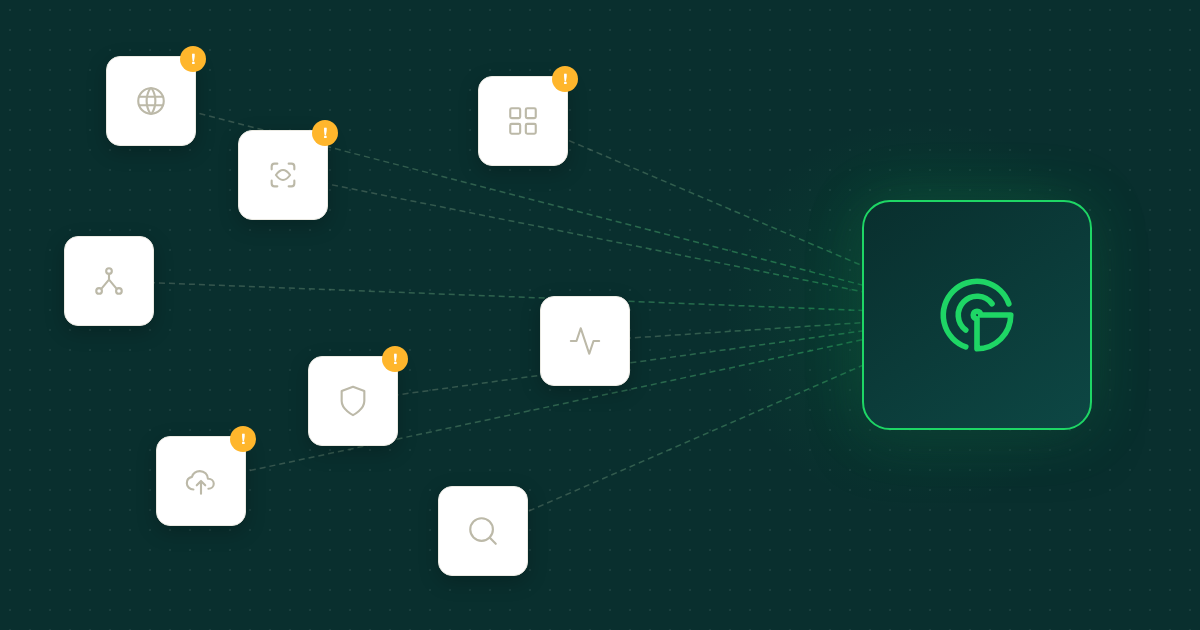
By now you probably have: Dependabot alerts in GitHub, a CSPM scanner on your AWS account, maybe Snyk or Semgrep in CI, plus whatever your GRC platform recommended for endpoint monitoring. None of it talks to each other. The same CVE shows up in three dashboards. You’re not sure what’s a duplicate and what’s new.

This is how security gets ignored. Not because you don’t care, but because the overhead of making sense of the noise exceeds the time you have.

  • Consolidate the output, even if you can’t consolidate tools. Pipe alerts into a single channel or dashboard. If everything’s in #security-alerts in Slack, at least you’re looking at one place.
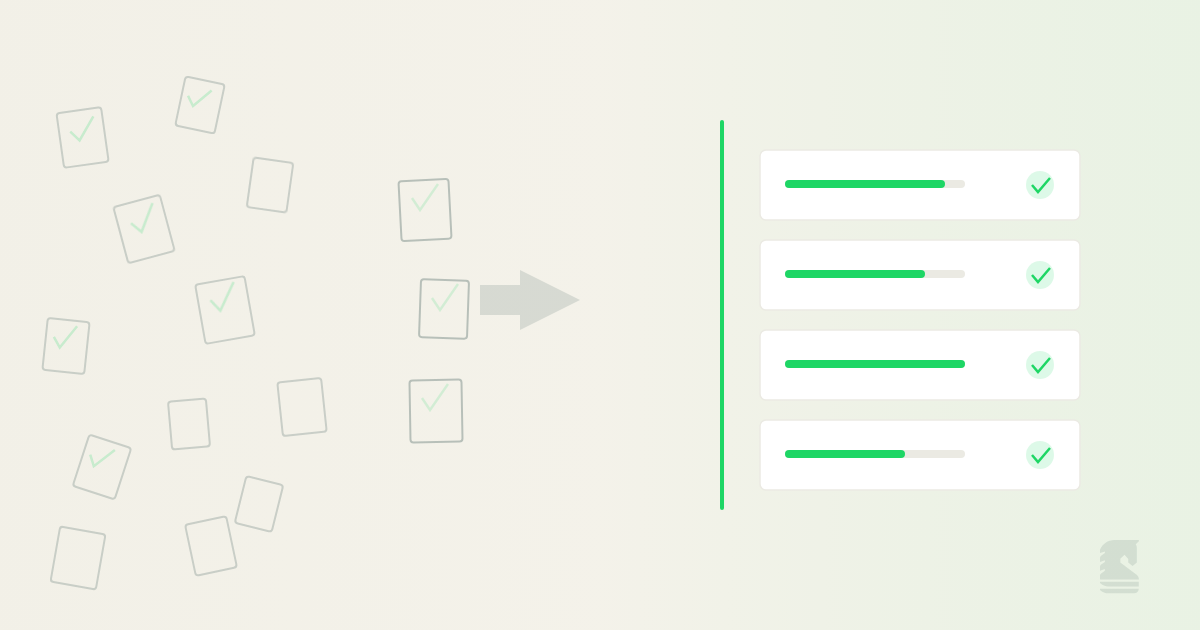
  • Put findings where you already work. Security issues should become Linear or Jira tickets, not items on a separate dashboard you check once a month. If it’s not in the workflow, it doesn’t get fixed.
  • Filter aggressively. Not every CVE matters. A critical vulnerability in a dev-only dependency that’s never deployed to production is noise. Configure your tools to suppress what’s not relevant to your actual environment.

You want security tooling that runs in the background and surfaces what matters. If you’re spending more time managing the tools than fixing actual issues, something’s broken.

How to prepare for your second audit now

Your next audit starts the day this one ends. The founders who struggle with year two are the ones who treated year one as a project with a deadline.

The difference:

  • Year one: Auditors check that controls exist.
  • Year two: Auditors check that controls worked consistently for 12 months.

If you didn’t run Q2’s access review, you can’t fake it in Q4. If you changed cloud providers mid-year and didn’t document how controls adapted, you’ll be reconstructing it from memory during audit prep.

What makes year two easy:

  • Log control activities when they happen. Ran the access review? Screenshot it, note the date, drop it in your evidence folder. Takes 30 seconds now, saves hours later.
  • Document changes as you make them. New data store? New third-party integration? Note what changed and how your controls cover it.
  • Treat your GRC tool as a system of record. If you’re using Vanta or Drata, keep it current. If evidence drifts out of sync, you’re doing audit prep twice.

Continuous readiness isn’t extra work. It’s the same work, spread out instead of crammed into the two weeks before your auditor shows up.

What this looks like when it’s working

Your first audit was a milestone. Your second should be boring. At least that’s the goal.

Get security built into how you operate, not bolted on when someone asks for proof. Controls running on a schedule. Questionnaires answered in hours, not weeks. Tooling that surfaces real issues instead of burying them in noise.

The badge on your website says you passed a test. What you do after the audit is what actually keeps you secure.

FAQs

What do I need to do after passing SOC 2?

After passing SOC 2, you need to keep your controls running consistently, not just at audit time. That means assigning a specific person to own recurring tasks like access reviews and vulnerability triage, building a response library for the security questionnaires that will start coming from prospects, consolidating your security tooling so alerts don't get buried, and logging evidence continuously so your second audit is painless.

How do I maintain SOC 2 compliance without a security team?

Pick one person (often the CTO or a senior engineer) and make security tasks part of their regular schedule. Timebox security work to a predictable slot each week, batch non-urgent findings for scheduled triage, and escalate real incidents immediately. The key is building a lightweight system where controls run on a cadence and everything gets documented as it happens, rather than treating security as a separate initiative.

How do I answer security questionnaires faster?

Build a response library after your first couple of questionnaires. You'll notice around 80% overlap between them. Create canonical answers for common questions about encryption, incident response, access management, and data handling. Keep supporting evidence (architecture diagrams, SBOMs, pen test summaries, your SOC 2 report) in a shared folder so the answer to most requests is a link, not a Slack thread. Know which questions need legal review upfront so you're not guessing each time.

What's the difference between SOC 2 Type 1 and Type 2 audits?

A SOC 2 Type 1 audit checks that your security controls exist at a specific point in time. A SOC 2 Type 2 audit checks that those controls worked consistently over a period of time, typically 12 months. Type 2 is more rigorous because you can't backfill missing evidence. If you skipped a quarterly access review, that gap will show up in the audit.

How do I prepare for my second SOC 2 audit?

Start the day your first audit ends. Log control activities when they happen, document infrastructure changes as you make them (new data stores, new integrations), and keep your GRC tool current as a system of record. Continuous readiness is the same work spread across the year instead of crammed into two weeks of audit prep. If evidence stays in sync with reality, your second audit should be straightforward.

How do I reduce security alert noise with limited resources?

Consolidate alert output into a single channel or dashboard, even if you can't consolidate tools. Route security findings into whatever project tracker you already use (Linear, Jira) so they get triaged alongside other work. Filter aggressively: a critical CVE in a dev-only dependency that never hits production is noise, not signal. The goal is tooling that runs in the background and surfaces what actually matters to your environment.

You might also be interested in:

Secure your startup’s momentum