
We've cobbled the same stack you're running
Fencer is the platform we wish we had.
The trade-off no one should have to make
Whoever owns security is making the same quiet trade-off, every week. Chase the finding or ship the fix. Prep the audit or work the actual risk. Manage another vendor or get back to work that matters. Sometimes it’s a CTO who inherited security by default. Increasingly it’s a first security hire, or a small team, outnumbered by the work.
Most security tools weren't built for this. Enterprise platforms assume a security org you’re still building. Free scanners produce noise. Compliance tools tell you what to do but don't do the work. So you cobble together what you can and the patchwork becomes the bottleneck.
Tim Olshansky lived it. As CTO of a fast-growing startup, he'd built the team, shipped the product, owned SOC 2, and assembled ten security tools cobbled into a stack that kind of worked. Vladik watched too many founders make the same trade-off, sprint after sprint, until the patchwork became the bottleneck, and the security work outran the people doing it.
This road traveled led us to build Fencer. An AI-native platform that handles the security work across your attack surface, and escalates only the decisions that need a human. Built for whoever owns security today, and engineered to scale as the function does.
— Vladik Rikhter & Tim Olshansky, Co-Founders, Fencer

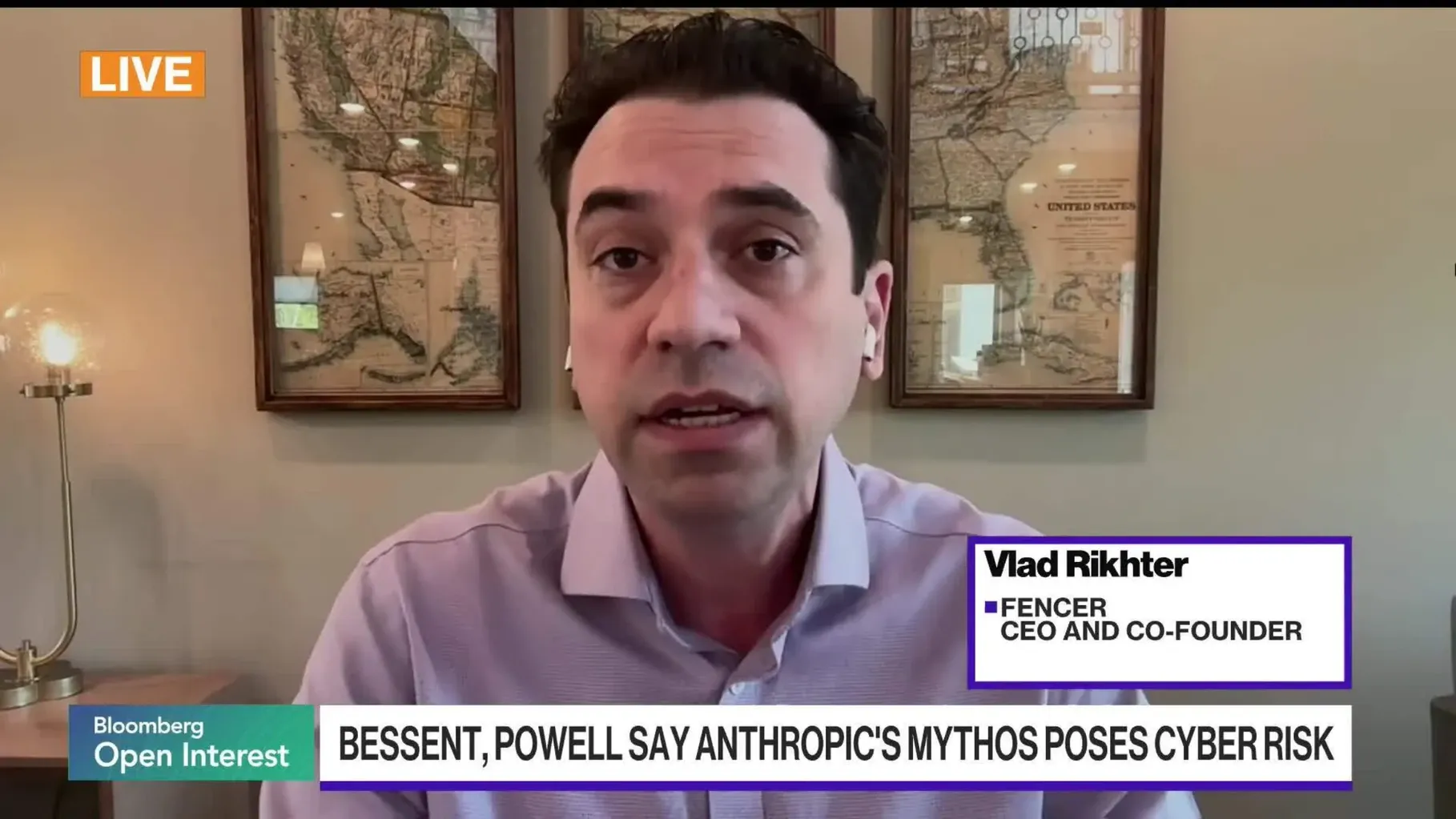
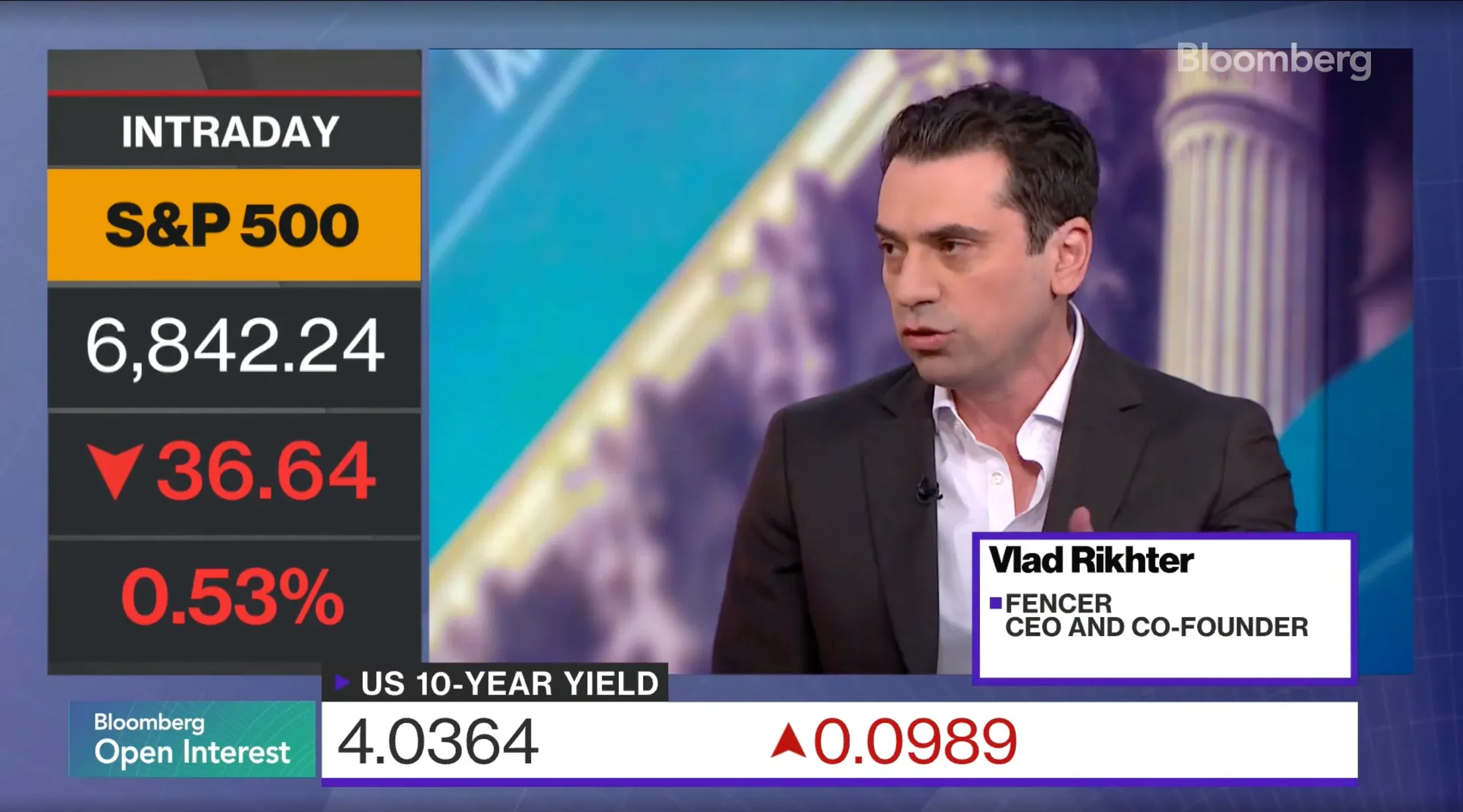
Vladik Rikhter
CEO and co-founder of Fencer
Vladik previously, he was the CEO and co-founder of Zenput, a leading operations execution platform for chain restaurants, convenience stores, and grocers. Prior to its acquisition by Crunchtime, Zenput grew to serve over 75,000 locations across 100+ countries supporting brands like Chipotle’s, Domino’s, and KFC. Vladik graduated from the Georgia Institute of Technology with a BS in Industrial & Systems Engineering.

Tim Olshansky
President and co-founder of Fencer
Tim is a seasoned senior executive and entrepreneur. He served as Chief Product & Technology Officer at Crunchtime (after the Zenput acquisition), where he launched products serving safety and compliance-minded brands like Chipotle and Burger King; was CTO at Aconex (ASX:ACX) working with security conscious government agencies and contractors like the US DoD and Bechtel following the acquisition of his startup Worksite; among other successful exits and teams. He holds degrees in Law and Physics from the University of Sydney.
What we built
One AI-native platform, shaped by three convictions.
Built for your stage, not scaled down for it
Enterprise platforms assume a security org you don't have. Point solutions solve pieces in isolation. Fencer was built for the person who owns security today, and engineered to grow as the function does.
Handles the tactical work for you
Finding problems was never the hard part; doing the work is. Fencer's AI triages and fixes what it can across your attack surface, and escalates the decisions that need a human.
Compliance claims it, Fencer proves it
A SOC 2 badge says you passed an audit. It doesn't mean the work got done. Fencer does the real security behind the certificate, so your posture holds up when someone actually looks.
Our Values
Unburden the User
Make things as easy as possible for the end user
Run Fast, But Not with Scissors
Speed is critical, but not at the cost of really hurting ourselves
No BS
Speak plainly
Build on Trust
Ensure we deliver
Press


Take Fencer for a spin
Start a free trial in minutes, or book a demo for a guided tour.