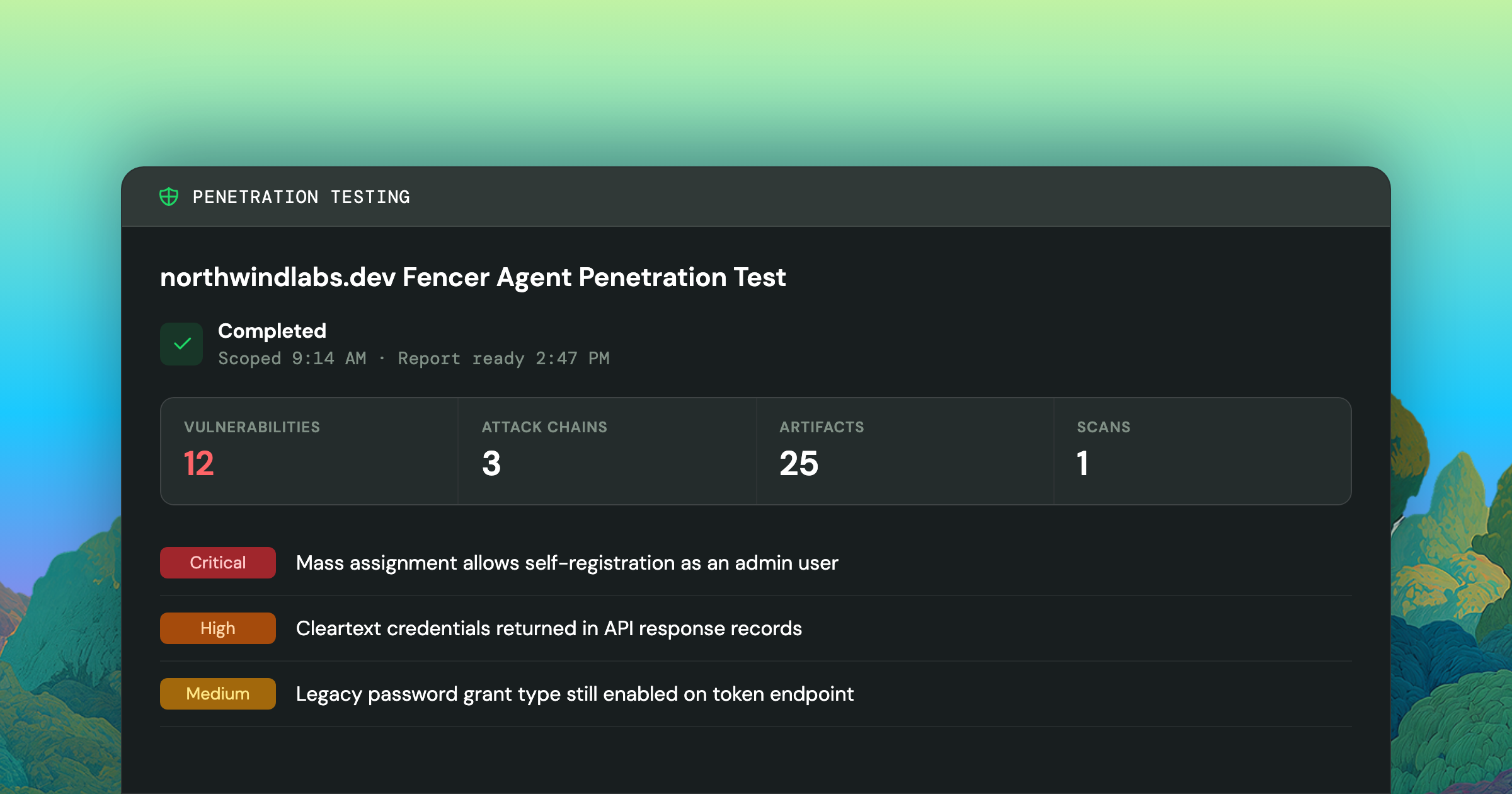
New: Pen testing for your SOC 2, handled today.
Learn More
A plain-spoken guide to SOC 1, SOC 2, SOC 3, and Type I vs Type II for startup CTOs figuring out which report a prospect is really asking for.
Most startups hear "SOC 2" so often during enterprise sales cycles that SOC 1 and SOC 3 start to feel like footnotes, and Type I versus Type II blurs into auditor jargon. But SOC 1, SOC 2, and SOC 3 cover different questions for different audiences. Type I and Type II add another layer that changes how much weight the report carries with whoever is reading it. This guide breaks down what each report covers, who asks for which, and where most startups end up.
SOC stands for Service Organization Controls. A SOC report is an independent auditor's review of how a company operates, scoped to a specific set of controls, with the auditor testing those controls and publishing findings.
The point of a SOC report is to give your customers something other than your word. Instead of "trust us, we have security," you hand them a document from a third party that describes what controls exist and whether those controls are working.
Three flavors exist: SOC 1, SOC 2, and SOC 3. They answer different questions for different audiences.
SOC 1 covers controls at your company that could affect a customer's financial reporting. If your software sits in a workflow that touches payroll, billing, transaction processing, revenue recognition, or anything a customer's auditor would care about when signing off on their financials, SOC 1 is relevant.
Payroll processors, payment platforms, expense management tools, and billing systems are the typical SOC 1 candidates. A general-purpose SaaS product usually is not.
If a prospect is asking for a SOC 1 report and your product has nothing to do with their financial reporting, confirm the request before trying to produce one. More often than not, they meant SOC 2.
SOC 2 is the report a prospect is usually asking for when they say "send us your SOC report."
It covers how your company protects customer systems and data, scoped to some combination of five Trust Services Criteria: security, availability, confidentiality, processing integrity, and privacy. Security is always in scope, and the other four depend on what your product does and what your customers care about.
A SOC 2 report answers the questions enterprise procurement teams care about: who has access to what, how changes to production are approved, how incidents are handled, whether the company monitors for threats, and whether vulnerabilities are found and fixed in a repeatable way.
For B2B SaaS selling into mid-market or enterprise accounts, SOC 2 is table stakes. You'll be asked for it, and deals stall until you can send one.
SOC 3 covers the same subject matter as SOC 2, with the detailed control descriptions, test procedures, and test results removed. What's left is a high-level summary safe to post on a website or hand to anyone without an NDA.
SOC 3 is useful as a public signal. It tells prospects browsing your site that you have SOC 2 without requiring them to sign paperwork to see the details. A serious buyer evaluating you will still ask for your full SOC 2 report; SOC 3 is what you show first.
You don't run a separate SOC 3 audit. Companies with a SOC 2 can ask the auditor to issue a SOC 3 version of the same report. The incremental cost is small, and it gives you something linkable on your trust page.
Type I and Type II are not different reports but different ways of evaluating the same controls, and this distinction usually matters more to whoever is reading your report than which SOC number is on the cover.
A Type I report is a point-in-time assessment. The auditor looks at the controls you have in place on a specific date and attests that they are designed well enough to meet the relevant criteria. It answers the question: do the right controls exist on paper, right now?
A Type II report is a period-of-time assessment. The auditor tests whether those same controls operated effectively over a window, typically six to twelve months. It answers a harder question: did the controls actually work in practice?
Type II reports carry more weight because a Type I shows intent while a Type II shows behavior. Sophisticated buyers will ask for Type II, and first-year buyers may accept Type I on the promise that Type II is coming.
The common startup path is Type I at the end of the first audit cycle, Type II after six to twelve months of operating evidence. Starting with Type I is a normal place to begin; the mistake is staying there indefinitely.
A simple decision guide for a startup CTO:
These aren't mutually exclusive. Most startups selling into enterprise end up with SOC 2 Type II as the core report and a SOC 3 for the website. SOC 1 shows up only when the product actually touches financial reporting.
If you just passed your first SOC 2 audit, the question worth asking next is what to keep doing so year two isn't another fire drill. We covered that in What to do after your first SOC 2.